
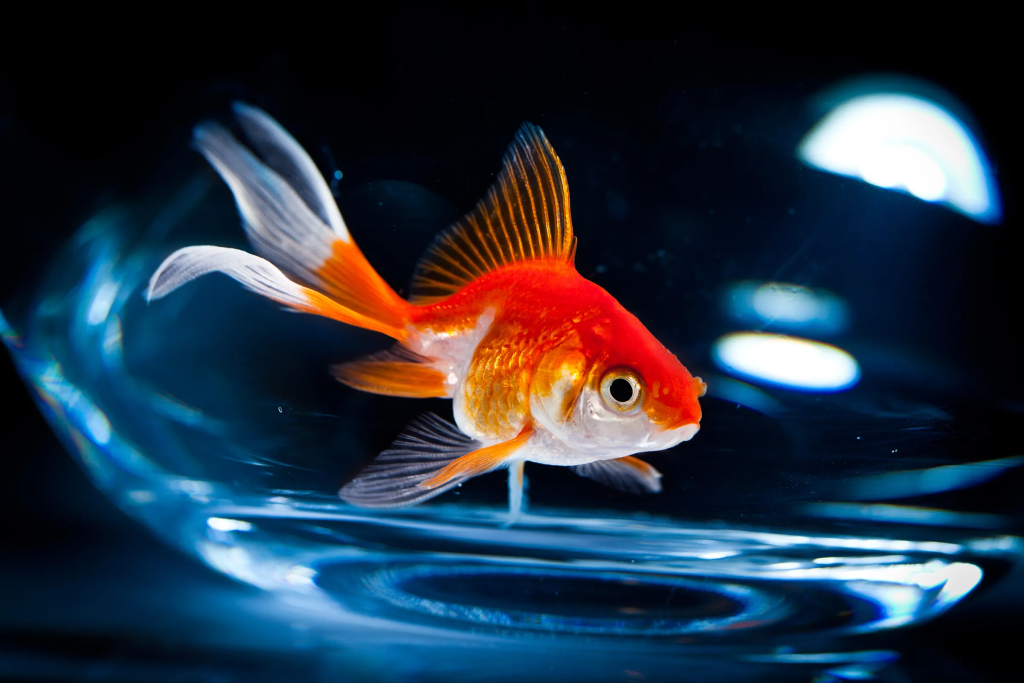
Goldfish are one of the most commonly kept pet fish in the world. They are considered to be one of the most successful types of freshwater fish, and their vibrant colors, peaceful nature, and relatively easy-going temperament contribute to why they are very popular amongst beginners right up to experts. Poor goldfish! They are so common, yet they tend to live in such squalor. This in-depth guide will answer all your questions about goldfish, including what types of goldfish there are, their habitat requirements, diet, lifespan, and how to look after them. Knowing these fundamentals will help to keep your goldfish healthy and live a long life.
What Is a Gold Fish?
Goldfish are freshwater fish in the carp family. They originated as a wild carp thousands of years ago. Through selective breeding, the colours and patterns of these fish have improved over time, leading to the development of the bright, decorative strains that are seen today. Common goldfish can be orange, red, white, black, or gold in colour. They are social and like space and clean water. Even though the young fish start very small, goldfish can get to be very large. They need to be nurtured properly.
Origin and History of Goldfish
Goldfish were bred in ancient China long before recorded history, and there are many interesting legends about the beginning of the goldfish. Originally, they were found in the ponds of royalty and eventually in the homes of everyone else. The selective breeding resulted in a variety of colors and body shapes. Through the centuries, goldfish proliferated in Japan and Europe and eventually around the globe. Goldfish are now bred in various countries. They are one of the first domesticated fish, and have been in captivity for upwards of 4,000 years. This history accounts for their endless variety and appeal.
Common Types of Goldfish
There are so many goldfish types with distinct characteristics. Common goldfish are long and narrow, and have good swimming qualities. Fancy goldfish have balloon-like bodies and longer, flowy fins. Some popular varieties are Fantail, Oranda, Ryukin, and Black Moor. Some species have peculiar appearances, such as head growths or telescopic eyes. Each variety has very slightly different care requirements. The best type will depend on your tank size and experience level.
Goldfish Size and Growth
Goldfish can get much bigger than some people think they will. They can grow to a few inches if taken care of. Goldfish in a pond. When kept in an outdoor pond, this fish may grow even bigger than their tank mates. Growth varies according to tank size, quality of water, and diet. Small enclosures inhibit growth and damage health. A large play area promotes growth in various ways. It’s important to understand growth potential prior to purchasing goldfish.
Lifespan of Goldfish
With the right care, goldfish may live for years. They can live 10 to 20 years or more under good conditions. Lifespan is reduced by poor water quality and small tanks. A well-balanced diet and regular maintenance will ensure a long life. Stress-free environments help goldfish thrive. The long lifespans of goldfish are one thing that surprises many people! The right care makes them lifelong friends.
Ideal Aquarium Setup for Goldfish
You cannot leave goldfish in a bowl as we all used to when we were kids; they need at least a 10-gallon minimum with good filtration. They are high output in terms of waste compared to other fish. The larger the tank, the better the water quality is preserved. Filtration systems should be powerful and capable. Gravel, plants, and ornaments must be non-hazardous and smooth. Goldfish prefer open swimming areas. A well-executed system promotes health and minimizes stress.
Water Conditions for Goldfish
Clean water is very important for a goldfish’s well-being. Goldfish prefer cool freshwater environments. Constant temperature is essential in order to prevent stress. Regular water changes remove toxins. Efficient filtration also helps to keep the ammonia levels low. Test your water to manage balance. Good water quality prevents typical diseases.
Goldfish Diet and Feeding Habits
They are omnivorous, and they are greedy eaters, so variety is the key to your fish’s diet. Common goldfish food pellets or flakes supply dietary essentials. Fiber is also added to vegetables, like peas and spinach. Occasional protein foods support growth. Do not overfeed to avoid health problems. Little and often is better than one big feed. A good diet is all that is needed to keep your goldfish active and healthy.
How Many Times A Day Should I Feed My Goldfish?
Goldfish should be fed one to two times per day. Food should be consumed after a minute or two. Leftover food pollutes the water. Feedings for young fish may have to occur more frequently. Adult goldfish thrive on a regulated amount of food. Consistent feeding schedules reduce stress. Characteristic eating habits help digestion and growth.
Goldfish Behavior and Temperament
Being a social fish, goldfish are gentle. They love swimming around and exploring in their habitat. It’s possible that goldfish can become more intelligent, and even learn who their owners are over time. They often interact during feeding. Stress can affect their behavior. Calm surroundings promote natural activity. “Seeing behavior helps early discovery of issues in their health.
Compatible Tank Mates for Goldfish
Goldfish are happiest with other goldfish. It does not play well with tropical fish. Similar-sized goldfish reduce competition. Fairly, goldfish are not to be combined with fast swimmers. Overcrowding causes stress and disease. Harmony is guaranteed thanks to the proper selection of tank mates. Proper planning avoids conflicts.
Common Goldfish Health Problems
The water quality is in a sorry state. Overfeeding leads to digestive issues. Sharp ornaments may cause fin injury. Infections may follow from high stress levels. Early detection improves recovery. Most problems with tanks can be stopped by good tank maintenance.
Signs of a Healthy Goldfish
They are an active, alert fish when healthy. They swim smoothly without difficulty. Bright coloration indicates good health. Bright eyes and fins in good condition are pluses. Fish that are in good health eat well. Regular observation helps spot changes. Early care prevents serious issues.
Goldfish Breeding Basics
Goldfish breeding requires specific conditions. Borderspawn are induced to spawn by changes in temperature and water quality. Males chase females during breeding. Larvae are transferred to a plant or other surface upon which eggs are deposited. Breeding tanks help protect eggs. Baby fish need specialized care and food. Breeding is such a good, but seriously trained for activity.
Common Myths About Goldfish
Many myths surround goldfish care. Goldfish won’t always be small. Bowls are not appropriate homes in the long term. Goldfish have good memories. They need good filtering and room to grow. Understanding facts improves care quality. Better information results in a healthier fish.
Tips for Beginner Goldfish Owners
Start with a spacious tank. Invest in a good filter. Learn basic water testing. Avoid overcrowding. Feed properly and consistently. Observe fish behavior daily. Success comes after patience and effort.
FAQs
Are goldfish easy to take care of?
They’re hardy fish, but they need a big enough tank, good filtration, and regular cleaning.
Can goldfish live in bowls?
Bowls are not suitable for long-term use. Goldfish require space and filtration to be healthy.
How big do goldfish grow?
Goldfish can grow several inches long, depending on care and environment.
How long do goldfish live?
Goldfish can survive 10 to 20 years, or more, with good care.
What do goldfish eat?
Goldfish consume pellets, veggies, and occasional protein foods, so they have a diverse diet.
Final Thoughts
Goldfish are stunning, intelligent, and long-living pets with the right care. It’s important for their health and happiness that you know what they need. Adequate tank setup, clean water, suitable diet, and observation are all factors. Goldfish are not throw-away temporary pets but long-term buddies. With the proper care, they can flourish and bring pleasure for many years.