
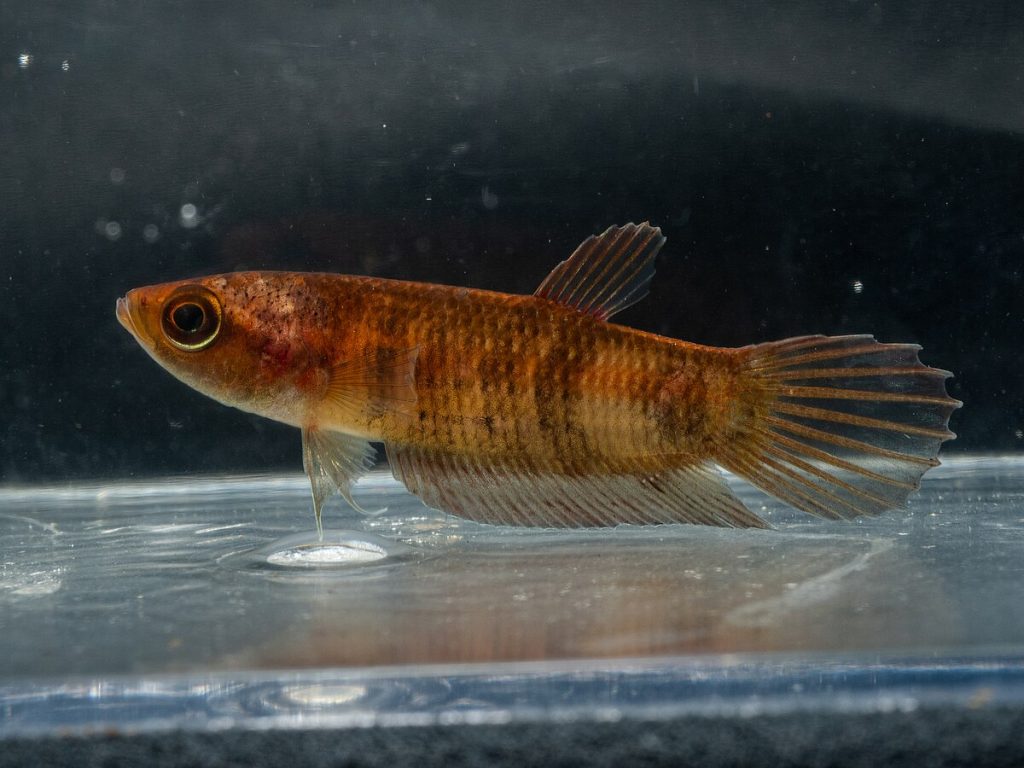
Betta fish (also known as Siamese fighting fish) are an increasingly popular freshwater aquarium fish. They are attracted to most fishkeepers due to their vivid colors, long fins and inquisitive behavior. In spite of their popularity, betta fish mislive in tanks and containers across the country. Correct information is the only way they will remain healthy and stress free. This guide will tell you exactly what you need to know about betta fish, from basic upkeep to long-term health.
Understanding Betta Fish
Betta fish are native to Southeast Asia, where they inhabit shallow waters like rice paddies and slow-moving streams. These are warm waters filled with plants. Bettas possess a magical organ called the labyrinth that enables them to take in air from the surface. That ability is key to their existence in low-oxygen environments, not a substitute for clean water. Bettas are also intelligent, responsive fish that can recognize their owners and react to their environment.
Kinds and Types of Betta Fish
Selective breeding has resulted in many betta fish types. The most popular strains include Veiltail, Halfmoon, Crowntail, Double Tail and Plakat. These types are distinguished by fin length and shape. Bettas also have green, red, blue, black and even white varieties. Though how you look matters, health and functionality should be the top priority. All types of bettas can be kept and cared for in the same way, but long-finned bettas do not like strong water flow.
Size, Growth, and Lifespan
Betta fish generally reach two to three inches. They need The Decent Size tank, Good Water Quality & Bellyful Nutrition To Grow. Bettas housed in tiny jars frequently become stunted and unhealthy. Betta fish, if well cared for, tend to live three to five years. Clean tank, stable temperature and good diet will ensure they live longer and have good energy.
Ideal Tank Size and Setup
Minimum 5 gallon tank required for one betta fish. Larger tanks have more stable water and reduce stress. Little cups are not great for long-term use. The tank should have a tight-fitting lid because bettas are escape artists and capable jumpers. Warm water is a need so, you’ll also want a heater and an easy-going filter that keeps the tank clean without producing strong currents.
Water Conditions and Temperature
Betta fish prefer to live in warm, fresh still water. Cats can become stressed and sick from drafts of sudden temperature fluctuations. To avoid infection and fin damage, clean water is essential. Frequent water changes also aid in waste removal and water quality. Filtration, as well as water parameters being checked will help maintain good health and disease free lives.
Tank Decorations and Environment
Bettas prefer tanks with some plants and hiding places. Live or soft fake plants are best, as hard decorations can rip fins. Plants offer rest areas or secure spaces near the surface. Bettas are happiest in quiet surroundings – avoid bright lights or turbulent water. A comfortable and natural environment facilitates normal behaviour and reduces stress.
Diet and Feeding Habits
Betta are carnivorous and do best with a diet high in protein. Betta pellets of high quality should come first as a food. You can also occasionally offer frozen or live foods like bloodworms or brine shrimp. It is a common misstep to overfeed and this may cause them health problems. Small size is conducive to good digestion and water quality.
Feeding Schedule
Feed betta fish no more than once or twice a day in small portions. If you remove food to eat, return in a few minutes. Dispose of uneaten food or it will create water pollution. Fasting day by day once in a while can avert bloating. A reliable feeding schedule helps to promote a strong metabolism and energy storage.
Behavior and Personality
Betta fish are smart, but they can’t talk! When excited or stressed they may flare their fins. Male Bettas are territorial and should not be housed together. Bettas usually recognize their owners and react to movements. Awareness of behaviour aids to recognize stress or disease early.
Tank Mates and Compatibility
Selecting tank mates for betta fish should be well thought out. Male betta Male bettas don’t need to be kept with other male bettas. Some peaceful species can live with them in a bigger tank. Do not house with fin-nippers or overly aggressive fish. Shrimp and snails could be o.k. depending on the betta’s personality.
Common Health Issues
Betta Fish are susceptible to fin rot, fungal infections and bacterial infections. Bad water quality and stress are the primary culprits. Symptoms of ammonia poisoning include ragged fins, color loss or dulling, sluggishness and appetite loss. Recovery rates are significantly higher when the infection is detected early and clean water is provided. “An ounce of prevention is worth a pound of cure,” goes the saying.
Signs of a Healthy Betta Fish
A happy betta fish should be active and perky. The colors are bright and fins are all there. It swam smoothly and ate well. A clear eye and a steady demeanor signify good condition. If there’s a rapid change to these numbers, that will need to be dealt with soon.
Common Misconceptions About Betta Fish
One popular myth is that bettas are happy living in tiny bowls. And belief frequently leads to bad care. Bettas need space, heat and clean water as do all fish. Knowing what they really require enhances the quality of their life and keeps them from suffering needlessly.
FAQs
Can betta fish live in small bowls?
Small betta bowls are not proper for bettas long-term. Bettas require space, warm water and consistent conditions to be healthy.
Do betta fish need a heater?
Yes, betta fish do need warm water. A heater maintains a constant temperature to reduce the risk of disease.
How Many Times a Day Should You Feed Your Betta Fish?
Betta fish need to be fed small portions, one or twice per day. Overfeeding should be avoided.
Will Betta fish get along with other fish?
Some bettas can cohabit with peaceful tank mates in more spacious tanks, but compatibility hinges on temperament and space.
How long do betta fish live?
With good care, betta fish will normally live between three and five years.
Final Thoughts
Betta fish are wonderful and want to be treated as such. Although they are low-maintenance (easy-to-care for) fish, the fish do still need a proper tank, clean water and well harbanced diet. Betta fish flourish under optimal conditions and reveal their true nature with ideal water quality, lighting, and proper plant cover. Responsible ownership is the key to a rewarding experience all-around.