
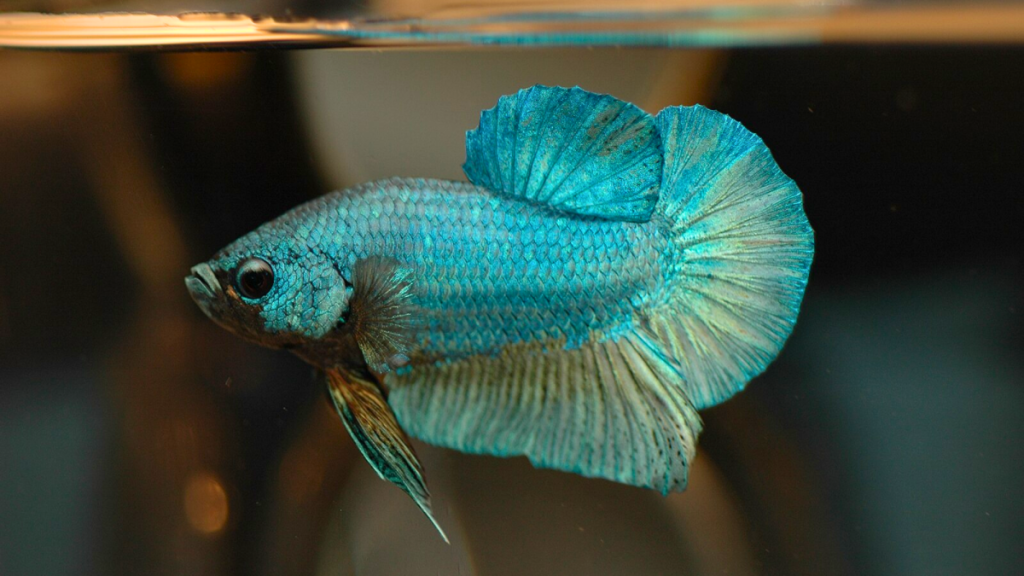
Betta fish (Siamese fighting fish) are one of the most popular freshwater tropical fish in the world. Brightly coloured with flowing fins, they are interactive and are popular among new as well as seasoned fish keepers. In spite of their fame, bettas are very misunderstood, and most of them are living in poor conditions. They must know better, for their own well-being being to keep away from other health hazards and have an active stress-free life. In this guide, I tell you everything about the betta fish, including where they are from, how to care for them, and what they eat, as well as their behavior and common mistakes.
What Is a Betta Fish?
Bettas are native to Southeast Asia, where they live in the shallow waters of rice paddies, ponds, or streams. These are warm, lush habitats. Bettas have a special labyrinth organ that enables them to breathe air. That helps them to survive in low-oxygen waters, but it doesn’t mean that they can live in lousy water quality. They still need clean, warm water to be healthy.
Natural Habitat and Behavior
In nature, betta fish inhabit peaceful, plant-strewn waters where they claim small territories. A male betta is known for its territorial instincts, so it can be very aggressive if you put it with other fish in a small tank of only one or two gallons. This behaviour is why it’s a bad idea to keep male bettas together. Bettas are intelligent creatures who respond to movement outside the tank. How they affect their environment, their health, and the care given.
Types and Kinds of Betta Fish
Due to selective breeding, betta fish are available in a wide variety. Popular varieties are: Veiltail, Halfmoon, Crowntail, Double Tail, and Plakat. The main differences between these forms are fin shape and length. Betas are also found in many different colours, such as solid, marble, and metallic. All betta fish need the same great care, but long-finned types like to have the filter make a less turbulent current to keep their fins intact.
Size, Growth, and Lifespan
The average is 2″ to 3″ in size for betta fish. Their rate of growth will be determined in part by genetics, tank size and water quality , and nutrition too. Betta fish relegated to tiny containers often suffer from growth stunting. When properly cared for, betta fish tend to live three or four years. Lifespan and health quality are significantly enhanced by good water conditions and a healthy diet.
Ideal Tank Size and Setup
Single bettas need a minimum of 5 gallons of tank space. Larger tanks offer better water stability, which means less stress on your fish. Small dishes are not for long-term use. The tank will need to have a lid, since bettas can jump. Water must be kept warm using a heater, and it’s preferable to have a gentle filter in place so as not to create excessive water movements.
Water Conditions and Temperature
Bettas are happiest and healthiest in warm, stable freshwater settings. Abrupt temperature changes might weaken the immune system. Fresh water is paramount to deter infections and fin rot. Frequent water changes help get rid of wastes and keep water quality up. The right filtration way helps to create a healthy environment for the fish and keeps bettas active, energized, and alert.
Tank Decorations and Environment
Bettas like tanks with plants and places to hide. Live or soft artificial plants are best. Avoid sharp decorations, as these can tear fragile fins. Floating plants offer resting spots near the surface. They prefer low lighting and a moderate water flow to simulate their natural environment and create less stress.
Diet and Feeding Habits
Betta fish are meat eaters and need a high-protein diet. Betta pellets of good quality should be the staple diet. Occasional offerings of live or frozen fare, including bloodworms and brine shrimp, are also good. Feeding too much is a common error and can result in bloating and pollution of the water. Tiny, regulated portions are for the best.
Feeding Schedule
The food should be eaten within a couple of minutes. Remove any uneaten food to avoid water quality issues. Intermittent fasting aids in preventing digestive problems once every couple of weeks. Regular feeding helps maintain a healthy metabolism.
Behavior and Personality
Betta fish have vibrant and interactive personalities. They will flare their fins when excited, stressed or trying to show dominance. Many bettas can be trained to recognize their owners and follow movement. Male betta fish are extremely territorial, and sometimes females can be mellow. Watching behavior can also help you detect stress or illness early.
Tank Mates and Compatibility
When picking tank mates for bettas, caution is necessary. Two bettas can never be put together if both of them are males. In bigger tanks, bettas can cohabitate with other peaceful species. Fish that like to nip fins and those with aggressive behavior should be steered clear of. If the betta has the appropriate temperament, shrimp and snails might be compatible tank mates.
Common Health Issues
Bettas are susceptible to fin rot, fungal infection,,s and bacterial diseases. Poor water quality and stress are the usual culprits of these issues. Signs include a paleness of color, tattered fins, sluggishness, and anorexia. Early detection and clean water can make a big difference — and speed recovery. Preventive care is essential.
Signs of a Healthy Betta Fish
A healthy betta fish is active. Looks bright and fins are fine. “Now it is swimming well, eating well.” Bright eyes and social behavior are signs of good health. All sudden alterations have to be urgently investigated.
Common Misconceptions About Betta Fish
A very common over-generalisation is that bettas are happy in tiny bowls. This belief results in substandard care and premature death. Bettas require space, heat, and fresh water just like any other fish. Being aware of what they are truly in need of also helps improve the quality of their lives.
FAQs
Can betta fish live in bowls?
Bowls are not appropriate for keeping bettas long-term. Bettass require space and stable conditions.
Do betta fish need a heater?
Yes, bettas need warm water, and a heater can help regulate temperature.
How Many Times Should Betta Fish be fed?
Betta fish should be fed once or twice per day in small amounts.
Do betta fish get along with other fish?
Some bettas can coexist with peaceful tank mates in larger tanks; compatibility ranges.
How long do betta fish live?
With good care, betta fish usually live three to five years.
Final Thoughts
Betta fish are gorgeous and the perfect pets to have. Your little aquatic friend will need steady care from you. Despite their reputation as low-maintenance, they still require a proper tank, clean water, and a well-balanced diet. With proper care, betta fish live an interesting life and show off their full personality and bright hues. Proper ownership means a) A healthier and b) More satisfying experience.