
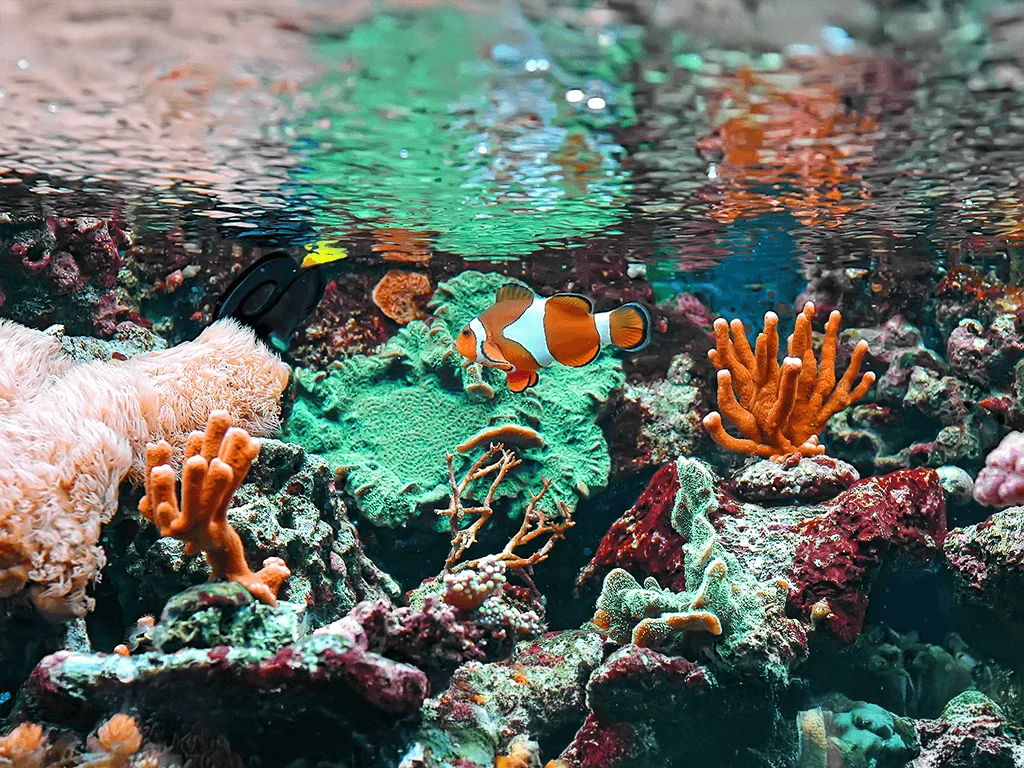
One of the most beautiful and interesting types of aquariums is a saltwater fish tank. With their rainbow of colored fish, coral and movements that mimic the ocean they are easy to get entranced by. A lot of people believe saltwater aquariums are too complicated, but as long as you have the right information and make all necessary preparations -they can be successfully maintained.
Here, I’ll break down everything you need to know about saltwater fish tanks using this guide. Step-by-step, from planning and setup to daily care and mistake avoidance.
What is a saltwater fish tank?
A saltwater aquarium is an aquarium that uses marine saltwater instead of fresh water. Marine salt is added to the water for a solution that replicates ocean conditions. These types of tanks will typically accommodate marine fish, coral, and other saltwater specimens.
Saltwater and freshwater tanks Right off the bat, saltwater tanks differ from freshwater tanks in three main ways: water chemistry, equipment and maintenance. They take more time, but usually there is a greater payoff.
Why Is A Saltwater Fish Tank So Cool?
A lot of people who have saltwater tanks enjoy them for their beauty and diversity. And such marine fish are colored in bright hues and display unusual patterns. Saltwater tanks also give you the option for designing reef ecosystems similar to what is found in ocean habitats.
Saltwater aquariums are incredibly relaxing and informative. They assist people in learning about oceanic ecosystems and marine life. But saltwater tanks can take a great deal of patience and care. One needs good planning before one begins.
Types of Saltwater Fish Tanks
Before starting with a tank. it is important to know the types of tanks people keep.
Fish-Only Tank
This is a fish only tank. This is the most basic saltwater unit and good for beginners.
Fish-Only With Live Rock
This will be a system including live rock and fish. Live rock for better water conditions and to hide in.
Reef Tank
A reef tank has fish, corals and other invertebrates. This is the setup that’s most complicated , and that requires the most specialized handling as well as lighting. Beginners are generally recommended to begin with a fish-only or fish-only-with-live-rock tank.
Choosing the Right Tank Size
A lot of success comes down to tank size. It is likely known by many beginners that bigger tanks are a lot harder, but it often is true also: bigger tanks are much more stable. Recommend beginner’s tank size is 30 gallons minimum. More water volume in the sump also means better buffering of water chemistry. Small saltwater aquariums change rapidly and can stress fish if not closely observed.
Accessories for a Saltwater Fish Tank
Saltwater tanks need special equipment to keep conditions right.
Aquarium Tank
Try to take the fish tank with a glass (or acrylic) surface and enough space in which the fish will be comfortably free swimming.
Filtration System
Good filtration is another must-have. It clears waste out and feeds beneficial bacteria.
Protein Skimmer
An air driven protein skimmer eliminates organic materials before they decompose. This has the advantage of keeping the water clean.
Heater and Thermometer
Marine fish -Stable temperature – usually between 24-26C, you will need a good heater and thermometer.
Lighting
Saltwater tanks need strong lighting. Coral reef tanks need particular lighting in order for corals to grow.
Powerheads and Water Flow
Marine life needs water movement. Powerheads assist in generating natural water movement within the aquarium.
Marine Salt Mix
You can add saltwater to your tank using marine salt. Only fine Gupta salt should be used and never common table salt.
How to Set Up a Saltwater Aquarium
One must be methodical when starting a saltwater tank. Simply clean the tank and equipment, using clean water to rinse. Do not use soap. Add substrate in the form of aragonite sand. Arrange live rock neatly into caves and swimming space. Combine the marine salt with filtered water outside of your tank. Test salinity before adding it. Slowly fill the tank. Put everything in and let the tank run with no fish.
Cycling the Saltwater Tank
Cycling is the buildup of good bacteria. These bacteria consume waste and keep water clean. Most people cycle off of it after four to six weeks. In the meantime, ammonia levels spike first and then nitrite, then nitrate. No fish should be added before ammonia and nitrite tests zero. Failing to take this step could be lethal for marine animals.
Adding Fish to the Tank
Fish should be added slowly. Begin with robust plants that easily acclimate to new conditions. Add one or two fish, maybe. Let the tank settle down before you put in more. Quarantine all new additions to the tank to stop disease.
Feeding Saltwater Fish
Saltwater fish have a different diet justification. Some subsist on pellets, others require frozen or live food. Offer small quantities once or twice daily. Overfeeding Poor water quality is a result of overfeeding. If you leave the food, it will make your tank not so clean.
Water Testing and Maintenance
Consistently testing is key for saltwater tanks. Test the water for salinity, pH, ammonia, nitrite and nitrate on a weekly basis. Make weekly (10-20%) water changes every one to two weeks. For changes, use adequately mixed salty water. Clean filters and equipment regularly.
Common Mistakes & How to Prevent Them
Many beginners face similar issues.
- Fish overstocking stresses and pollutes.
- Not performing water changes causes low quality water.
- Replenishing the fish too soon disrupts balance.
- Disregarding salinity is not good for marine life.
- And patience and the cake schedule will prevent most issues.
Why It’s Worth the Cost to Have Saltwater Fish Tanks
Saltwater tanks offer many advantages.
- They provide stunning visual appeal.
- You get to have distinctive marine life.
- They produce a calm and relaxing atmosphere.
- They teach you about ocean ecosystems.
Saltwater aquariums, with the right amount of care, can last for several years.
Future of Saltwater Aquariums
The management of saltwater aquariums are becoming easier due to modern technology. The lights, temperature and dosing are all managed by automated systems now. Soon, even beginners will find that maintenance is so easy with smart monitoring tools.
Conclusion
An ocean fish tank takes work, time, and effort to set up. It’s more rigorous than a freshwater tank, but nothing compares to the beauty and enjoyment. With the right tank size, equipment/investment, cycling and water quality anyone can be successful with a saltwater aquarium. Don’t rush and have fun on the road. A thriving saltwater tank is a very rewarding long-term hobby.
FAQs About Saltwater Fish Tank
Is a saltwater fish tank for beginners?
Yes for experienced beginners who have done their homework and decided on a fish-only setup.
How long to set up a saltwater tank?
Setup’s a little initially, but we can cycle it in about four to six weeks time.
Can saltwater fish live in freshwater (and vice versa)?
No, they adulterate in salt water with normal one.
How frequently should the water switch?
A 10–20% water change should be performed every one to two weeks.
Are saltwater tanks are expensive to maintain?
They are more expensive than freshwater tanks, but knowing what you’re looking for can keep costs down.