
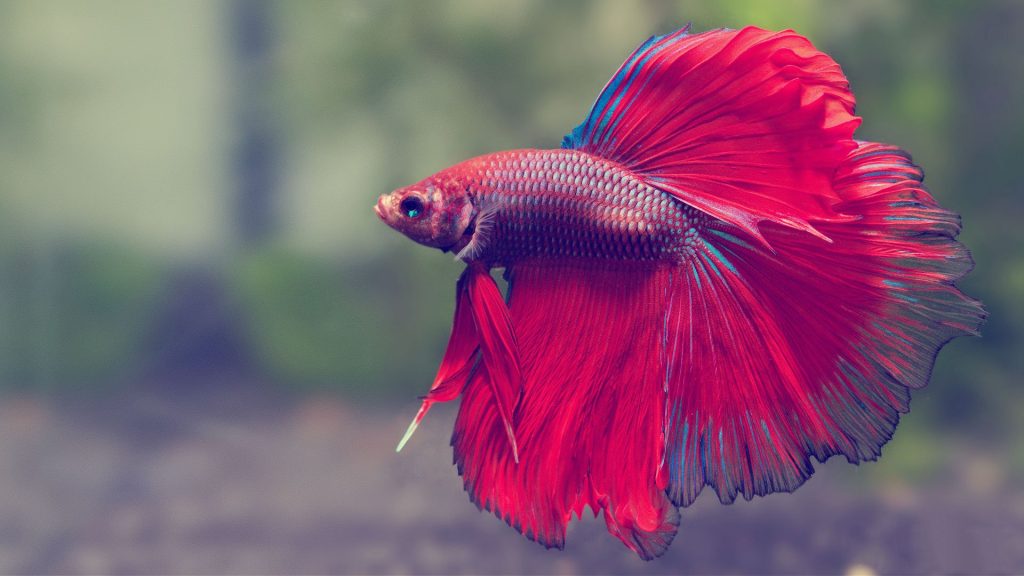
Betta fish are some of the trendiest aquarium animals in the world. Known for their bright colors, flowing fins, and easygoing personalities, the fish are prized as pets. Betta fish are one of the first pet fish many people will own because they are so pretty and can be easily identified. But, it doesn’t mean that bettas don’t need to be taken care of well in order to live a happy and long life. This guide tells you everything youneed to be informed about betta fish. Each section is described in detail, from natural behavior to tank setup and daily care.
What Is a Betta Fish?
Betta fish, also called Siamese fighting fish, are native to freshwater habitats in Southeast Asia. They prefer to inhabit stagnant waters such as rice fields, ponds, and slow streams. Betta fish are unique in that they have a special organ and can breathe air from the surface. This enables them to live in water with very little oxygen. Although they do not need to live in the best situation that money can buy. Clean water and good care are still necessary.
Why Betta Fish Are So Popular
There are a lot of reasons why the Betta fish is loved. They are available in an array of colors like red, blue, white, purple, and multicolor designs. They have fins that flow like long or short skirts as they swim. And they are smart and curious. A lot of bettas can identify their owners and will react to movement outside the tank. They are so playful and fun to watch. Betta fish can be kept alone, so they work well in small tanks.
Understanding Betta Fish Behavior
Betta fish are territorial in nature. Bettas, males in particular, are quite aggressive towards other males. Because of this and the fact that they must be kept separately, neither should ever live in a tank with the other. They can be territorial and aggressive towards fish with long fins or bright coloring. This is to be expected, and your best course of action is to control it with tankmates. Betta fish tend to hang out near the surface and might construct bubble nests. This is a typical indication of comfort and personal development.
The Best Tank for Betta Fish - How to Pick?
This fish kills other fish and will not die. Many folks think betta fish can live in tiny bowls. This is a common myth. And although bettas can survive in small environments for short periods, theythrivet much more in larger spaces.
Recommended minimum tank size is 5 gallons. Larger tanks allow for more water stability and room to swim.
The tank should have:
- A gentle filter
- A heater to maintain the temperature
- A lid to prevent jumping
- Warm and clear water is necessary for a betta’s health.
- Ideal Water Conditions
- Betta Fish are tropical fish; they like warm water.
The Optimum temperature is 24 – 28° C; cold water lowers their resistance to diseases, and they become ill. Water was supposed to be pure, free of toxins. You must do a water change & use a conditioner to take thchloramineses out of tap water. Regular checking of waterto keep conditions safe.
Setting Up a Betta Fish Tank
It’s all about the setup, and if you’ve got a tank set up properly, then keeping care of it is much easier. To remove any run-off, wash the tank and decorations with clean water. Do not use soap. Put in the substrate, be it gravel or sand. Place plants and decorations carefully. Drop fin on sharp objects that may tear fins. To soften the water in this heater, follow quality conditioning atthe right and fill the tank with conditioned water. Install the filter and heater. Cycle the Company&Company fish tank before getting the fish. It is highly recommended to cycle the tank before adding a betta.
Feeding Betta Fish
- Betta fish are carnivores. They need a protein-rich diet.
- That should be the main food or the high-quality betta pellets. Occasional frozen or live foods, such as bloodworms and brine shrimp.
- Feed tiny quantities 1 or 2 times a day. Longer warm spells lead to bloating and water pollution.
- Do not let the uneaten food stay in the tank, leaving it dirty.
Tank Mates for Betta Fish
Betta fish are solitary creatures, although some may be compatible with certain peaceful tank neighbors in a bigger tank.
Suitable companions may include:
- Small snails
- Shrimp
- Calm bottom-dwelling fish
- Avoid aggressive or fin-nipping fish. Always keep an eye on behavior after adding new tank mates.
If you see some aggression, take the fish out right away.
Common Betta Fish Health Issues
Poor water quality can contribute to health issues with Betta fish.
Common issues include:
- Fin rot
- Ich
- Swim bladder problems
- Fungal infections
Stress and dirty water cause most of the illnesses. Frequent maintenance and proper feeding do much to avoid health problems. The first signs of illness are often lack of energy, lethargy, paleness or colour loss, jagged fins, and disinterest in eating.
Cleaning and Maintenance
- Good care ensures healthy betta fish.
- Replace 20–30% of the water every week. If that doesn’t do enough, you’ll need to use a gravel vacuum.
- Rinse the filter without destroying good bacteria. Avoid cleaning everything at once.
- Clean tank glass and remove algae as necessary.
- It’s all about consistency for long-term results.
How Long Do Betta Fish Live?
- With proper care, the betta fish can live from 3 to 5 years. Others get even older under ideal circumstances.
- The cleaner and warmer your tank is, the better their diet and less stress ensures a longer life.
Common Mistakes to Avoid
This is a mistake that many betta owners make:
- Keeping bettas in bowls or an unfiltered tank
- Cold water, no heater
- Overfeeding
- Housing multiple male bettas together
- Ignoring water changes
- By avoiding these mistakes, es we ensure better betta health.
Benefits of Keeping Betta Fish
Betta fish make excellent pets.
- They are beautiful and interactive.
- They don’t need as much space as a lot of fish.
- They are low maintenanceif set up properly.
- They are soothing and delightful to watch.
- A healthy betta fish can make for a wonderful pet.
Conclusion
Betta fish are beautiful, intelligent, and at times downright feisty! Although they are relatively beginner fish, their care should still be taken seriously. By giving it a good tank, clean warm water, the right type of food, and taking good care of the betta, you can make sure the betta fish leads a healthy and happy life. As with any animal, it is a responsibility to care for a betta fish, but the payoff is an active and entertaining companion.
FAQs: Betta Fish
Is it ok to keep betta fish in small bowls?
They will survive for short periods in anything less, but are happiest in tanks of five gallons or larger with filtration and heat.
Do betta fish need a heater?
Yes, bettas are tropical fish and need warm water to be healthy.
How many times a day should you feed your betta fish?
Feed small quantities once or twice daily.
Is it possible to mix betta fish with other fish?
They can be kept in larger tanks with peaceful tank mates, but most prefer to live alone.
How do I know if my betta fish is sick?
Symptoms include white patches, ragged fins, and dullness in colour, as well as a reduced appetite.