
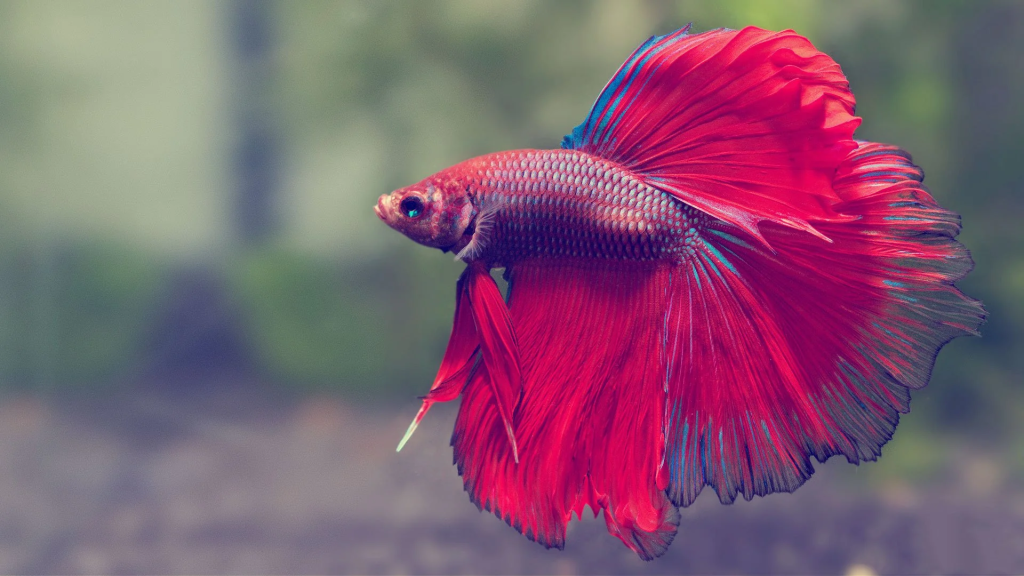
The world is known to have the most popular aquarium fish betta fish, which are available in colors and with flowing fins, and have distinct personalities. Amateurs prefer bettas as they are small, beautiful, and, in most cases, they are sold as pets that require low maintenance. Nevertheless, the question regarding the longevity of betta fish and the duration of the life they can actually live is among the most frequently asked by new owners.
The fact is that the life of the betta fish mainly depends on care, environment, diet, and the quality of the water. Although there are bettas that have a short lifespan because of their unfavorable environment, others have a lifespan of many years, provided they are taken care of. When owners know what influences the lifespan of these fascinating fish, it can be used to give them a healthier and longer lifespan.
Mean Life of Betta Fish
Beta fish have a life span of 2 to 5 years in the aquarium. Under optimal nutrition, and with appropriate water conditions and well-kept aquariums, some bettas can even live a little bit longer.
Most individuals think that bettas only live one or two years since the fish that are sold at stores die within a short time. This is normally due to the fact that bettas are sold when they are already several months old and might have been exposed to stress in the process of breeding, transportation, and display conditions. Having a healthy betta at the onset is possible, and with good care, one can live towards the upper part of the lifespan range.
Conditions that Influence the Lifespan of Betta Fish
The survival of a betta fish depends on a number of factors that are important. These factors interact to make a difference to the general health and stress levels.
Tank Size and Environment
The biggest lie is that the betta fish can fish well in small bowls. Little pots in quick accumulation form waste and lead to unstable water forces. The tank should not be less than 5 gallons, as this will allow enough space to swim and keep the temperature and water chemistry constant.
A tank well decorated with places to hide, as well as living or soft fake plants, also decreases stress. Stress is a significant cause of reduced life span of a betta.
Water Quality
Long-term survival is impossible without clean water. Water of low quality causes infections, rotting of fins, and a lack of immunity. Frequent water replenishment eliminates toxins like ammonia and nitrate, which accumulate due to fish wastes and food remnants.
The gentle filter can be used to keep the water clean without interfering with the availability of oxygen. Constant conditions also eliminate unexpected health problems that tend to decrease the life span.
Temperature Control
Betta fish are tropical fish, and they need warm water in order to keep their health. Optimal temperatures are 24 o C to 27 o C. Cold water will decrease the metabolism and weaken the immune system, which makes bettas susceptible to diseases.
A trusted aquarium heater also maintains the same temperature all year round, in particular during the cooler seasons.
Diet and Nutrition
Nutrition has a direct impact on longevity. By nature, bettas are carnivorous and need food rich in protein, as opposed to the plant-based flakes released in the community.
Frozen food, high-quality betta pellets, and intermittent live food assist in keeping the energy level and bright coloration. Excess food should not be overfed since it contaminates water and causes digestive health issues.
Small portions only once or twice a day contribute to good growth without overloading the system of the fish.
Popular Health Problems that Reduce Life Expectancy
Generally, betta fish are hardy and healthy, provided their condition of care improves. The most common include fin rot, swim bladder disorder, fungal infections, and parasitic diseases.
Most of these issues start because of bad water quality or unexpected environmental alterations. Symptoms at the onset stage will include loss of color, torn fins, loss of activity, or loss of appetite.
Frequent monitoring assists the owners in detecting sickness early and exercising a corrective measure before the conditions deteriorate.
Male Female Life Span of Bettas
The male and female bettas do not differ in terms of life expectancy, as females occasionally live a little longer because of short fins and reduced physical strain during swimming.
Male bettas are more frequently kept due to their bright color, yet their long fins might sometimes cause fatigue or damage in case of inappropriate conditions in the tanks.
Gender notwithstanding, the most significant variable that shapes lifespan is care. The process of extending the life of a betta fish entails regularity and not complex procedures in care. The preservation of clean water, constant temperature, and even feeding habits also significantly enhances the survival rates.
Plants and light decoration of the tanks ensure that bettas are kept mentally occupied. Do not keep combative tank mates that can be harmful or cause injuries to the fins. Betting habits and a quiet environment enable the bettas to exhibit their instinctive behaviors and stay active until death.
Signs of a Healthy Betta Fish
A healthy betta fish is a lively, alert, and inquisitive creature. Bright coloration, ease in swimming, and entirely opened fins are usually signs of a healthy animal.
Betas that are healthy will always investigate the tanks they are placed in, and will be interested at the time of feeding. The regularity of behavior patterns implies an appropriate environmental environment and decreased levels of stress.
The signs should be monitored in order to ensure long-term well-being by owners.
Conclusion
The quality of care that a betta fish will get is a major determinant of its lifespan. The average betta has a lifespan of between two and five years, but proper tank set-up, clean water, balanced food, and the temperature in the tank can greatly increase the lifespan of the betta.
Bettas are neither small bowl pets nor ornamental fish. They make interesting companions, which can live several years with the appropriate environment and care. A guarantee of healthy, active and healthy lives for these beautiful fish is achieved through responsible care.
FAQs
1. How long do betta fish live in a tank?
Betta fish typically live between 2 and 5 years in a properly maintained aquarium.
2. Can betta fish live longer than five years?
Yes, some bettas may live beyond five years with excellent care and stable tank conditions.
3. Why do some betta fish die quickly?
Poor water quality, small bowls, incorrect temperature, and stress are the main reasons for shortened lifespan.
4. Does tank size affect betta lifespan?
Yes, larger tanks provide stable water conditions and significantly improve health and longevity.
5. What is the best way to increase a betta fish’s lifespan?
Maintain clean warm water, feed high-quality food, avoid overfeeding, and provide a stress-free environment.