
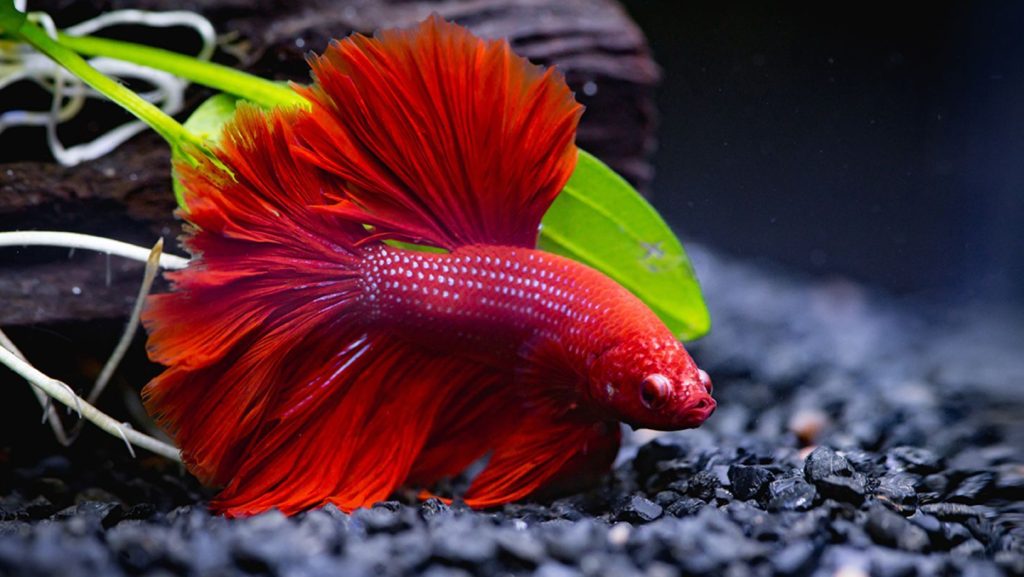
Betta fish are characterized by luxurious colors, classy fins, and an interactive nature. Since they are commonly sold in small cups or bowls, most individuals think that bettas can survive in a small space easily. Actually, well designed betta fish tank has the greatest role to play to ensure that the fish remains healthy and has a long life.
A clean tank maintains consistent water levels, minimizes stress, and enables bettas to perform their natural behaviors of exploration, rest, and bubble nest construction. Creating the proper tank environment is not very difficult; however, one should learn the primary needs of this tropical fish.
This manual covers everything that is required of beginners and knowledgeable fish keepers on how to select, install, and manage the perfect betta fish tank.
Best Tank Size for Betta Fish
Another of the largest errors that a beginner owner commits is keeping bettas in very small bowls. Although there is short-term survival, the bettas survive in small areas, which does not imply comfort or wellness.
A betta fish is recommended to be kept in a 5-gallon tank. The bigger the tank, the more water stability is achieved and the less toxin accumulation due to waste and uneaten food. The harmful chemicals are easily deposited in small containers, causing stress and disease.
A large tank also enables the betta fish to swim freely. Bettas are energetic fish species that like to adventure in the environment and not stand still.
How to Select the Right Betta Fish Tank
The choice of the tank is not just a matter of size. The well-being of the fish depends on the compatibility of shape, material, and equipment.
Glass aquariums are normally used as they keep the temperatures well and allow easy visibility. Lid tanks are highly suggested because the bettas are known to jump, particularly when frightened or inquisitive.
The long tanks tend to be superior to high ones since bettas swim horizontally and often rise to the surface to inhale air with the help of their labyrinth organ.
Importance of Filtration
Even though bettas are able to endure in low-oxygen environments, clean water is a necessity to their health in the long term. A low filtration system is aimed at removing the waste without altering the biological balance in the aquarium.
Betta prefers not to swim in strong water currents as it has long fins and has difficulties with swimming in a fast flowing water. Betta tanks are best suited to sponging filters or adjustable low-flow filters.
Effective filtration will lessen the frequency of maintenance and avoid frequent diseases due to low quality of water.
Water Temperature and Water Heater Requirements
Betta fish are tropical fish that do well in warm water. Optimal temperatures of a betta tank are 24 °C to 27 °C.
Lack of a heater would mean that the temperature of the water varies throughout the day, particularly in cold climates. The abrupt changes in temperatures undermine the immune system and predispose one to diseases.
Having a good aquarium heater will provide stability in temperature and will give the fish a comfortable environment to live in.
Tank Decorations and Plants
Betta tank decoration concerns not only the look but also comfort and enrichment. Bettas prefer finding hiding places and resting places where they can rest between swimming.
Live aquatic plants are also a good addition as they enhance the quality of water, and they provide a natural habitat. We can also use the soft artificial plants, though sharp ornaments should be avoided as betta fins are easily torn.
The addition of caves, driftwood, or leaf hammocks provides bettas with a place to rest close to the water surface, which is a natural behavior in bettas.
Lighting and Day-Night Cycle
Good lighting prevents disturbance of the natural routine of betta fish. The medium aquarium lighting helps in the growth of plants and helps fish to be active during the daylight.
Nevertheless, lights are not to be turned on all the time. Bettas need a time of darkness to rest. Having 8-10 hours of light on a day and night helps to keep a healthy biological rhythm.
Too much lighting can be a source of stress and promote unwanted growth of algae.
Cleaning and Maintenance of Water
To maintain a betta tank in good health, it is important to maintain it frequently. Partial water changes ought to be conducted weekly, even with filtration to eliminate waste materials as well as toxins.
The replacement of approximately 20 to 30 percent of tank water in a week is used to keep the chemical balance constant. The use of water conditioners is always necessary to eliminate chlorine and harmful elements in tap water.
The washing of the aquarium should be soft to maintain healthy bacteria that would keep the aquarium ecosystem alive.
Are Tank Mates Compatible with Betta Fish?
Bettas are territorial fish, and in particular, males; other tank animals should be chosen with care. Small snails or some peaceful fish might live in larger tanks.
There should be no overcrowding since the space will enhance aggression and stress. Novices find it preferable to keep one betta in a well-equipped tank. A serene condition leads to an extended life and improved pigmentation.
Typical Beta Tank Design Errors
Several issues are brought about by poor setup, not fish health. Another mistake that is still very popular is keeping bettas in bowls that do not have heaters or filters.
The inappropriate feeding also leads to the worsening of the water quality, which soon influences the state of the tanks. The other common problem is the addition of fish right after the tank has been set up without stabilizing the nitrogen cycle.
Most of the initial struggles are avoided by simply taking time to make the aquarium a nice place to be.
The Advantages of an Appropriate Betta Fish Tank
Well-kept betta tank enables the fish to showcase flashy colors, swimming energy, and inherent curiosity. Healthy bettas are not only able to interact with the environment, but it is usually clear to them when to eat or when people are around them.
The conditions of the stable tanks lessen the level of stress, and disease prevention, and lifespan is greatly enhanced. The owners also experience a better and more aesthetically pleasing aquarium experience.
The right environment would make betta keeping more than mere ornamentation into good pet keeping.
Conclusion
A betta fish tank is not just a container of water. It is a well-balanced environment that directly defines the health, behavior, and life span of the fish. In order to make bettas not only live but also flourish, one should select a tank of the right size, keep their water clean, and offer safe decorations.
Beta fish can also be active, colorful companions with proper setup and constant care, and live a good life of several years. The best thing to do during the successful keeping of betta fish is to invest time in establishing the appropriate tank environment.
FAQs
1. What size tank is best for a betta fish?
A minimum 5-gallon tank is recommended to provide stable water conditions and adequate swimming space.
2. Do betta fish need a filter in their tank?
Yes, a gentle filter helps maintain clean water and prevents harmful toxin buildup.
3. Is a heater necessary for a betta tank?
Yes, bettas require warm tropical water between 24°C and 27°C to remain healthy.
4. Can bettas live in bowls?
Bettas may survive temporarily in bowls, but long-term health requires a properly equipped aquarium.
5. How often should a betta tank be cleaned?
Partial water changes should be performed weekly while monitoring water quality regularly.