
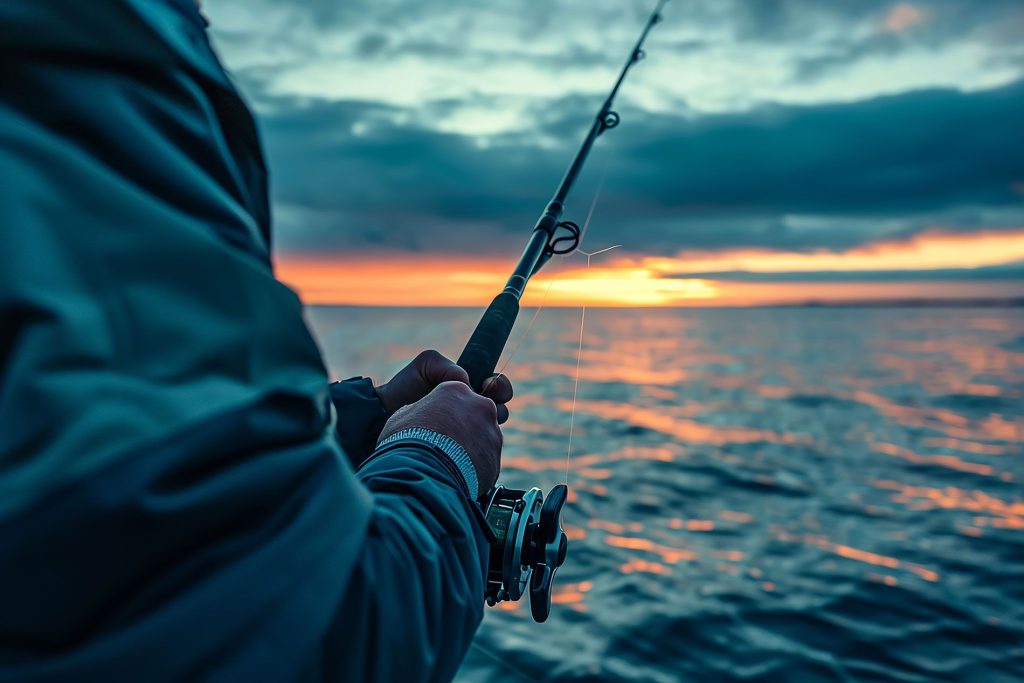
Fishing is one of the most relaxing and rewarding outdoor activities. Cross, needless to say, fishing combines skill, patience, and lots of fun. Whether you fish for fun, food, or sport, understanding the fundamentals of fishing will help you enjoy and catch more from your angling experience. This guide has everything you need to know: from which gear to get and how to make the most of it, to tried-and-true techniques, and even some smart safety tips.
Why is fishing such a Popular Outdoor Activity?
Fishing gets people outside. It’s peaceful, inexpensive , and all-ages-appropriate. Most fly fishermen like to fish because it gives them a chance to escape from their daily life and relax at the tranquil waterside with just themselves, fresh air, and details on how the water or river flows along in peace. Whether you’re fishing from a boat, a river’s edge, or the big blue sea, casting allows you to experience the great outdoors and enjoy fun memories with family and friends.
Types of Fishing You Can Try
There are many different forms of fishing, and each has its own unique experience. Freshwater fishing is beginner-friendly, as there are plenty of species in lakes and rivers to choose from, including bass, trout, carp, and catfish. For those looking to catch bigger fish, from snapper and kingfish up, saltwater fishing is more thrilling. You might also pursue fly fishing, a breed of fishing that relies on light lures and a loose casting style for trout or deep-sea fishing with the excitement of reeling in powerful ocean species. Knowing the difference between these types can help guide you to the proper equipment and location for your goals.
Must-Have Gear for Fishing Beginners
All you need to get started fishing is some basic equipment. A generic rod and reel combo will be ideal for new anglers, a well-matched combination that is not too complex. Select a medium-action rod. It’s good for the majority of fishing situations. Fishing line, a box of hooks, sinkers, bobbers, and bait are must-have equipment as well. Live bait, such as worms and minnows, entices more catches and is ideal for beginners; artificial lures provide the option to use freshwater fishing baits repeatedly. Take pliers and a small tackle box with a few hooks, sinkers, and swivels. And maybe even a fishing license, if one is needed in your area.
Choosing the Right Fishing Spot
Picking the place to fish is a huge part of your success. Lakes and ponds are a great option for beginners because the water tends to be calm and easy to maneuver. River fishing will require you to find slow-moving pockets near rocks, logs, or shaded banks because that’s where fish like to hide. If you prefer saltwater fishing, look at tide charts and choose spots near piers, jetties, or deeper channels. The most productive areas to fish are near the rocky points, natural cover (fallen trees, etc.), and areas with obvious signs of fish, such as jumps or ripples on the surface of the water.
Best Techniques To Become Better At Fishing
The tiny trout that loves to feed on midges will suck both flies into its mouth with one little sip, and it can make fishing more productive even using simple tactics. Casting smoothly is one way to help you put the bait right where fish are lurking. When your line is in the water, patience is the key. Hold your rod steady and watch for tiny tugs or movement. You can also try jigging, lifting, and dropping your lure to get it noticed. When it comes to saltwater fishing, the odds of reeling in larger game are always better when you drift and troll because you cover more territory.
Bait and Lure Tips for More Success
It is necessary to have the proper bait for fishing. Live bait is very effective in your search for freshwater fish; it is also a good choice when using soft plastic lures and fishing near the surface. Aggressive predator fish are attracted by hard-body lures, spinners, and spoons, generating some movement. There’s trial and error to figure out what colors, shapes, and sizes work best in different conditions. For clear water, the call is for natural-looking colors; in muddy water, you need bright colored bait to catch a fish’s attention.
General Fishing Safety
Here are some general safety rules that all anglers should remember.
Of course, safety needs to be part of your fishing approach. When fishing from a boat or in deep water, wear a life jacket. Maintain a safe distance from other fishermen when you are out on the water. Apply sunscreen, drink plenty of water , and be on the lookout for rapid weather changes. If you are fishing at night, carry a flashlight or headlamp. Preparation for safe and fun fishing. Okay, so you are ready to go out and fish!
Why Responsible Fishing Matters
Sustainable fishing can benefit the environment and the health of fish populations. Practice catch-and-release when feasible, particularly for small or fragile species. Use barbless hooks if you plan to catch and release fish efficiently and safely. Do not leave litter, and respect local fishing regulations and catch limits. Fishing responsibly means our grandchildren can have the same largemouth bass.”
Final Thoughts
Fishing isn’t just a pastime; it’s a refuge from the hectic world and one of life’s most pleasurable challenges. When it comes to fishing, whether you’re a beginner or an experienced angler, taking the time to learn new techniques and finding the right gear for you will make all the difference in your results. The right approach and a little patience make fishing an activity that pays you back every single time you catch a fish.
5 FAQs About Fishing
Can anyone start fishing?
Yes. Fishing is simple, easy to learn, and suitable for all ages.
Do I need expensive gear?
No. Beginning anglers need only a simple rod, reel, and cheap bait.
When is the best time to go fishing?
Early morning and late afternoon are often your best bets.
Is fishing good for kids?
Yes. It imbues patience, responsibility, and respect for nature.
Can I fish without a license?
It’s legal in some areas, yet many others require a license. Always check local regulations.