
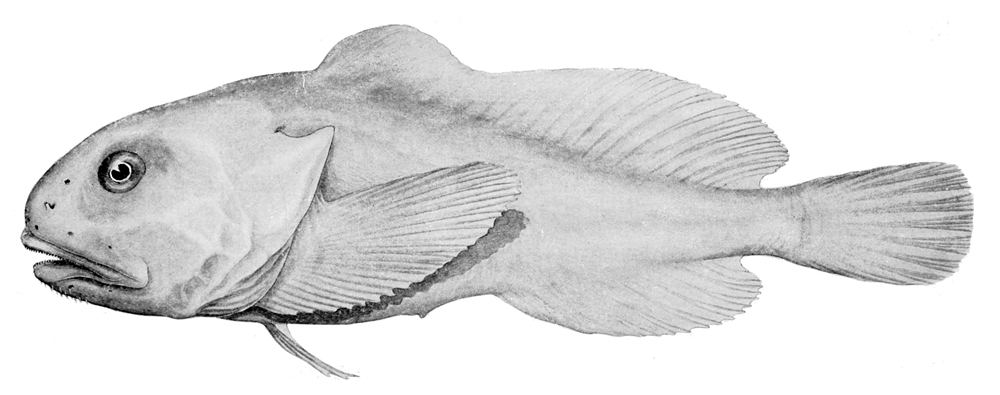
The blob fish is widely called one of the ugliest things living in the world, though this is not at all fair. Its weird looks are not the product of poor health or evolution gone wrong, but extremely harsh environmental conditions. In its natural environment, the blob fish looks quite different from the images that many people see online. This article will help you understand what it actually is, where it lives (hint: not on land), how it survives, and why the poor thing doesn’t deserve such a bad rap.
What Is a Blob Fish?
The blob fish is the common name of a type of deep-sea fish belonging to the genus Psychrolutes. It is one of a group of fish that are adapted to the deep ocean. Unlike other fish, it is not muscular and does not have a swim bladder. Rather, its body plan is adapted for life in high pressure. The blob fish is sluggish and requires little energy. This allows it to survive in places where food is scarce.
Natural Habitat of Blob Fish
“Blob fish are deep-sea denizens, residing at depths between 600-1,200 meters. The pressure is extreme, and the temperatures are very cold. The blob fish is a bottom-dwelling creature that lives off the coast of Australia, Tasmania , and New Zealand. At these great depths, pressure is tens of times greater than it is at sea level. What Makes the Blob Fish Unique? The blob fish has a body designed to thrive in these extreme conditions.
Why Do The Deep-Sea Creatures Look So Weird?
All of the discomforting images of blob fish are a result of them being dragged out of their natural habitat. High pressure at deep-sea levels will make its body and structure firm.br /br /2. Once hauled in, the sudden decompression causes its body to implode. This gives them the fat, saggy appearance people have come to associate with blob fish. In its native environment, the blob fish actually appears more similar to what one would expect a regular-looking fish to be.
Body Structure and Adaptations
Blob fish has a body made of gel, which is denser than water. This enables it to hover just off the ocean floor without expending a lot of energy. There are no strong bones and muscles because they wouldn’t be so useful in the depths of water. Its soft body is adaptive to extreme pressure. This adaptation means some other fish cannot survive.
How Blob Fish Get Around and Survive
Blob fish don’t have to swim around a lot. They push themselves along on ocean currents. This low-energy existence is because there is not much food in deep-sea habitats. The blob fish is quite lazy; he likes to just rest on the seabed most of the time. Instead it subsists by conserving energy rather than pursuing prey. This is typical behaviour of deep-sea organisms.
What Do Blob Fish Eat?
Blob fish are opportunistic feeders. They consume any edible that floats into their stride. This ranges from small crustaceans, sea urchins and organic detritus. They do not hunt actively. Instead, they allow whatever food swims past their mouths to enter. This technique is successful at deep depths where no food sources are available.
Predators and Threats
Blob fish don’t really have any natural predators on account of their deep-sea home. But human impact is a key threat. Blob fish are frequently unintentionally caught using deep-sea fishing techniques. Trawling is destructive to their environment and can cause injuries or death. The slow blob fish is no match for fishing nets. The greatest threat to their survival is human activity.
Blob Fish and Human Misconceptions
The blob fish made headlines after it was named the world’s ugliest creature. This title derives from images made post haulout from deep water. These are not depictions of how it looked originally. The blob fish is not unattractive, by its very nature. It has simply been adapted to an environment that we don’t often see. It would be misleading to judge it by surface conditions.
Significance of Blob Fish in Marine Habitat
Blob fish are ecologically necessary for balancing deep-sea ecosystems. They recycle nutrients by feeding on small organisms and organic matter. They are part of a fragile food chain. Losing deep-sea species challenges ocean ecosystems. Defending blob fish also defends numerous other deep-sea species.
The Reasons Blob Fish Are So Difficult to Study
Blob fish are difficult to study as they live in the depths of the sea. You need to have special equipment to see the live. When brought to the surface, they change physical forms. This makes research challenging. Researchers use deep sea cameras and submersibles. New technology is helping the scientific community better understand blob fish.
Conservation Concerns
Blob fish are not that commonly shielded because deep-sea species are hard to regulate. Overfishing and habitat loss are still serious threats. Sustainable fishing practice is necessary to minimize bycatch. Raising awareness can lead to the protection of life in the deep sea. Preserving creates value for all marine ecosystems.
FAQs
Is the blob fish really ugly?
The blob fish only appears strange once brought to the surface. Your standard fish, by comparison, is nowhere near as nightmare inducing when it’s swimming in its natural deep-sea habitat.
Where do blob fish live?
Blob fish inhabit deep ocean waters off the coasts of Australia, New Zealand and Tasmania at depths of more than 600 meters.
Why does the blob fish which is a large fish have a jelly like body?
Its soft, gelatinous body enables it to withstand intense water pressure and float in deep water.
Do blob fish swim actively?
No, blob fish save energy by sitting in the water and letting ocean currents do the work.
Are blob fish endangered?
While they are not officially listed as threatened, deep-sea fishing is a major threat to the species.
Final Thoughts
The blob fish is among the ocean’s most unfairly maligned animals. How it looks is due to extreme environmental change, not bad design. It is perfectly channeled for deep-sea life: the blob fish makes it where few others could. What we learn of the truth about blob fish goes towards shifting public perception and indicating the need to protect deep-sea ecosystems.