
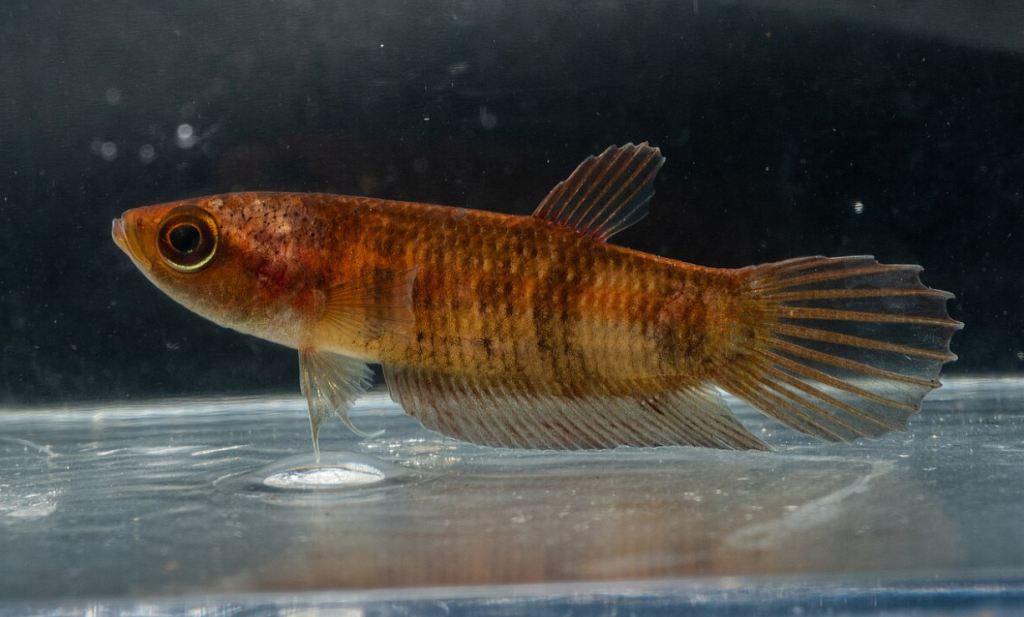
Betta fish, also called Siamese fighting fish, are one of the most popular aquarium fish in the world. They are appreciated for their bright coloration, long flowing fins, and for being very personable. Though they are frequently advertised as low-maintenance aquatic pets, betta fish require specific care in order to live a long and healthy life. There are so many common things I see beginners do that inadvertently cut a betta’s life short.
This guide covers all your questions about betta fish everything from their natural habits and setting up a tank to feeding, health, and common misconceptions.
What Is a Betta Fish?
The Betta fish is from freshwater habitats in Southeast Asia, primarily Thailand, Cambodia, and Vietnam. In the wild, their habitat is shallow bodies of water, such as rice paddies, ponds, and slow-running streams. These settings are warm, quiet, and usually low in oxygen.
Some other types of fish can’t do this because they lack the labyrinth organ. What is a betta?. The cool thing about a betta is that it has something called a “labyrinth organ,” which means it breathes air at the surface (unlike several other kinds of fish). This adaptation allows them to survive in oxygen-deprived waters, but it does not make them immune to dirty or overcrowded tanks. Of course, clean water and proper care are still important.
Types of Betta Fish
There are various types of betta fish, each known for their unique fin shape, color, or pattern.
Veiltail Betta
Veiltail bettas are the most popular and easiest to find. They have long, droopy fins that flow down. Hardy and versatile, this is a variety often recommended for beginners.
Crowntail Betta
(Crowntail bettas have spiky fins that project out like a crown.) The interradial membranes are slightly diminished, and they present a striking appearance. They’re quite an active fish, but you’ll need to make sure your water quality remains good, as they will end up with damaged fins.
Halfmoon Betta
Halfmoon bettas have very large tail fins, and when they are flared, they will extend 180 degrees. They are beautiful but more fragile than other kinds. An ideal tank environment is also very critical to their fin health.
Plakat Betta
Plakat bettas have short fins, similar to wild bettas. They are powerful swimmers and highly active. Being fairly short, fins are less likely to tear and get diseases.
Double Tail Betta
It has just two distinct tail lobes, instead of one. Attractive as they may be, double-tailed bettas tend to have more fragile bodies and need careful attention in terms of food and water.
Betta Fish Behavior and Personality
Betta fish are smart and inquisitive. They are known to be able to identify their owners and react to movements made outside the tank. Most bettas also love to hide in decorations and sleep on plants or leaves.
Bettas are super territorial fish, especially the males, and they fight with other male bettas. They can flare their gills and fins as a dominance display. It is perfectly normal, and it does not mean that the bird is sick. The female bettas are usually calmer you will occasionally find ones that display aggressive behavior.
The Perfect Tank Size for a Betta Fish
It’s a myth that betta fish can be happily kept in small bowls. In the wild, bettas have room to swim and roam.
Minimum tank size: 5 gallons
Best tank size: 10 gallons. Ideal tank size: 10 gallons or more
A big tank is much more stable and helps keep water parameters constant, which will put less stress on the occupants. It also provides space for plants, hideouts, and low water movement.
Water Conditions for Betta Fish
Betta fish can be sensitive,e and water quality is very important.
Temperature: 24–28°C (75–82°F)
pH level: 6.5–7.5
Water Flow – Gentle, low current
In any but the warmest weather, it needs a heater to keep up the hot water supply. A filter is necessary, but it should be gentle because hard currents are extremely stressful to bettas and can damage their fins.
Tank Setup and Decorations
Betta fish are native and comfortable living environment.
Rest stops are offered by live or silk plants. Multiline text should.
Smooth decorations prevent fin tearing.
Hiding places reduce stress.
Floating leaves allow surface resting.
Feeding Betta Fish
Bettas are meat eaters and need a diet that is high in protein.
Best Foods for Bettas
High-quality betta pellets
Frozen or live bloodworms
Brine shrimp
Daphnia
Feed in small portions once or twice each day. Overfeeding can lead to bloating and water pollution. Bettas have tiny stomachs, about the size of their eye.
How Long Do Betta Fish Live?
With good care, betta fish can live 3 to 5 years, and occasionally longer. It is for three reasons, namely: Poor water quality, Small Tanks Improper feeding. These are primarily responsible for the fact that bettas die early. Good water, attention to cleanliness, and avoiding stressful situations all help us get long-lived fish.
Common Betta Fish Health Problems
Fin Rot
Caused by poor water quality. Fins appear torn or discolored. Frequent water changes and clean tanks prevent this problem.
Ich (White Spot Disease)
Tiny white spots can be seen on the body. You have a parasite, which can be treated with medication and extra heat.
Swim Bladder Disorder
The fish may lie sideways to float on its side and may submerge. Often caused by overfeeding. Just one day of fasting will usually do the trick.
Stress
Clamped fins, drab color, and hiding are symptoms of stress. Watch water conditions and tank setup.
Do Betta Fish Get Along with Other Fish?
If the tank is big enough, bettas can coexist with some peaceful tank mates.
- Compatible Tank Mates
- Snails
- Shrimp (aggressive bettas might eat them)
- Corydoras catfish
- Small peaceful fish such as neon tetras (in larger tanks)
Do not keep two male bettas in the same house! When adding tankmates, always watch behavior closely.
Male vs Female Betta Fish
| Feature | Male Betta | Female Betta |
| Fins | Long and flowing | Shorter |
| Color | Brighter | Slightly duller |
| Aggression | High | Moderate |
| Personality | Territorial | Social (with care) |
Betta Fish and Beginners
Betta fish can be good for beginners when researched well. They do not require complicated tools, but they do require a certain amount of attention and dedication. By learning about the needs of an Amazon, you can avoid making typical beginner errors and also keep your pet healthy.
FAQs About Betta Fish
Do Betta Fish Need a Filter to Live?
In theory, yes - but not really. A filter maintains clean water and steady flow, which are important for long-term health.
How frequently do I need to change water for my betta fish?
For filtered tanks, 20–30% weekly. For tanks without a filter, you will need to change the water more regularly.
Do betta fish need light?
There is, but only 8 to 10 hours per day. And too much light is stressful, and promotes algae growth.
Why is my betta flaring at me?
Flaring is a natural behavior. The betta is alert or territorial, not necessarily aggressive towards you.
Do betta fish know their owner?
Yes, Most bettas can recognize their owner’s face and movement over time.
Conclusion
When kept in the appropriate conditions, bettas are beautiful and engaging pets. While they are referred to as low-maintenance fish, they need clean water, room to grow and play, heat, and a well-balanced diet. Knowing what makes them tick is what enables them to prosper and demonstrate their unique character.
Whether you’re just starting or are a seasoned fishkeeper, the right environment leads to a happy, healthy betta that lives a long and active life.