
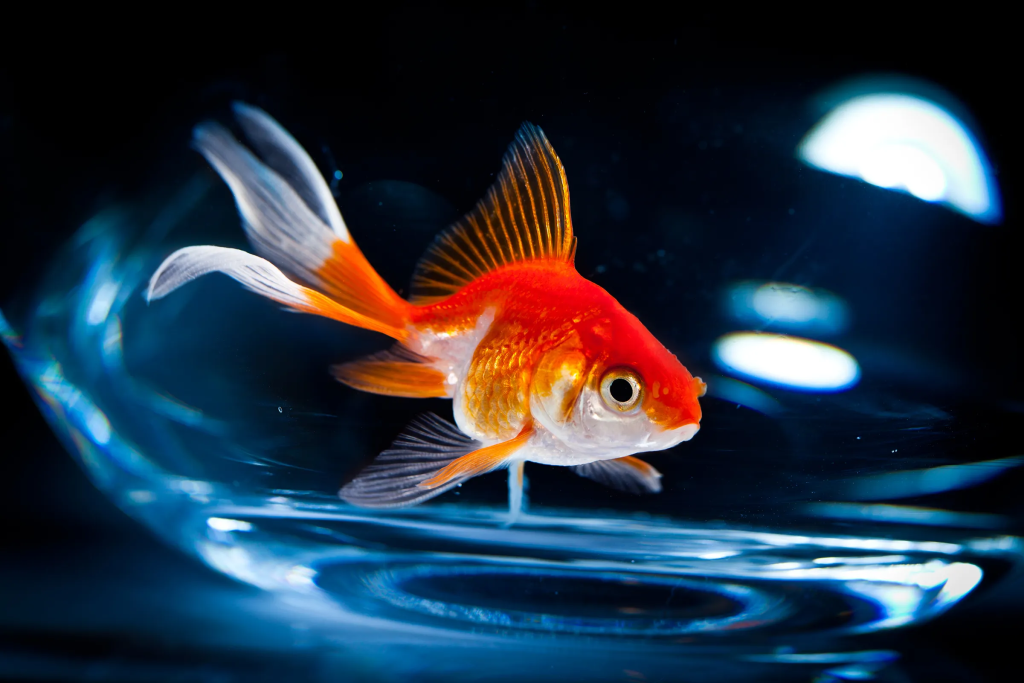
Starting a small fish tank can be an incredible hobby. Peaceful desk centerpiece, living home decoration, and a tiny introduction to fishkeeping: A small aquarium is a welcome addition to any home. Small tanks are cute, compact, and often less costly than huge ones. But they’re more delicate and need to be well-cared for. This guide will walk you through everything you need to know, from choosing the right tank to making sure your fish stay healthy and happy.
Why Choose a Small Fish Tank?
A small fish tank, often referred to as a nano or mini aquarium, is anywhere from 5 to 20 gallons. It’s perfect for tight spaces, such as bedrooms, offices, and apartments. A nicely set-up small tank offers all the beauty and tranquillity of an aquarium, but without the space required to keep a large tank.
Small tanks are popular for budget-conscious, maintenance, and beginners. They also make for a nice starter species for the aquarium hobby. Nonetheless, low water volumes are more susceptible to fast fluctuations in terms of temperature and water quality. This requires some regular care and attention.
Choosing the Right Tank
The first step is to choose the right size. Hundreds of gallons can be breathtaking, but most beginners are better off starting with something small, say 5 to 10 gallons, for the best fish tank. Many beginners believe that a “small” aquarium means a nice little bowl; such options will make it impossible for any fish to flourish. Therefore, extremely small tanks (such as those under 1 gallon) should be avoided even by experienced aquarists because they are not suitable. These tanks don’t have room for necessities like filters and heaters, and can stress fish out fast.
A more practical choice is:
5 to 10 gallons for one betta or a few small tropical fish.
10 to 20 gallons for a little more stability and variety of fish.
It is always easier to maintain a larger tank, as the chemistry changes more slowly. Stay away from anything under 5 gallons for a school of fish.
Essential Equipment
It takes more than a little tank to care for fish.
Filter
A filter is essential. It removes waste and cleans water. They Tanks Filters designed to accommodate smaller tanks should be used, with biological media that allow for beneficial bacteria to degrade fish waste. You can choose sponge filters, or you can also have hang-on back mini filters.
Lighting
Good light will help show your tank off and is a requirement if you intend to keep live plants in the aquarium. LED lights are perfectbecause they’re cool and very low energy.
Heater and Thermometer
Tropical fish prefer a constant temperature of 22–28°C; an aquarium heater and thermometer will help keep this in check.
Water Test Kit
A water test kit is useful for measuring the levels of ammonia, nitrite, nitrate,, and pH. And these readings are crucial for the health of your fish.
Substrate and Decorations
Gravel or sand is often used on the bottom of tanks to provide a base for aquarium plants. Rocks, driftwood, od and plants provide a natural look and hiding places for fish.
Setting Up a Small Fish Tank
Here are directions on how to set up your tank:
- Flush the tank and substrate with clear water.
- Add substrate 2–3 cm deep.
- Set up decorations and plants to make the pools livelier, yet without reducing the area for swimming.
- Dechlorinated water should then be added to the tank.
- Man’s equipment: Install the filter, heater, and thermometer.
- Be sure to cycle the tank before adding fish.
What is Cycling?
Cycling builds up good bacteria that digest fish waste. This will generally be within 2–4 weeks. Which means during all this period, ammonia goes up, then nitrite, and at the end nitrate. The tank is cycled when 0 ammonia or nitrite, land ow nitrates.
Best Fish for a Small Tank
Not all fish will thrive in a small aquarium . Big fish will get stressed and be too big for the tank. Good choices include:
Betta (one Fish per tank unless set up specially)
Guppies
Small tetras like the neon tetra
Pygmy corydoras
Shrimp -or- snails for cleaning crew
In general, it’s an inch of fish per gallon of water. Overcrowding causes dirty water and stressed fish.
Daily and Weekly Care
Even the small tanks need to be maintained regularly:
Water Changes
Replace 20-30% of the water once a week to eliminate waste and preserve quality.
Feeding
Feed small portions that fish can eat in 2-3 minutes. Overfeeding pollutes the water.
Check Water Quality
Monitor water parameters weekly. Ammonia and nitrite should never rise above zero; nitrates should be as low as possible.
Clean Equipment
Every couple of weeks, rinsethe filter media in old tank water. Scrub algae off the glass and clean decorations as necessary.
Decor Ideas for Small Tanks
Small tanks are best when utilized intentionally:
Focal points: Large smooth rocks or small driftwood.
Add live plants such as Java moss and Anubias for hiding spots, as well as good water.
Provide plenty of open swimming space, but do not crowd them.
Plants also aid in absorbine high amounts of nutrients and deliver a more natural, soothing appearance.
Common Mistakes to Avoid
Even tiny tanks can contain common mistakes that hurt fish:
Avoiding the nitrogen cycle that leads to poisoned water.
Overfeeding lleadsto pollution and algae blooms.
Overcrowding, which stresses fish.
In an unfiltered bowl, without oxygen and care of the water itself.
Benefits and Challenges
Benefits:
Fits small spaces
Affordable setup
Great for beginners
Challenges:
Water quality changes quickly
Requires consistent maintenance
Limited fish variety
Small tanks can have their rewards when taken care of. Having a pet isn’t just cleaning out the bowl!
Conclusion
Bringing color and peaceful movement into any space, an aquarium is a versatile decoration. With the proper setup, equipment, and attention, you can establish a habitat for your fish that is healthy and comfortable. Be patient, don’t think twice about it,t and let’shave fun. Fishkeeping is a lifelong journey for beginners, and the perfect starting point is a small aquarium.
5 FAQs About Small Fish Tanks
What size should a beginner get?
A 10–20-gallon tank is ideal. It also has higher stability and swimming options for fish than a very small tank.
Do little tanks need filters and heaters?
Yes. Filters will keep the water clean, and heaters will hold a tropical fish at their preferred temperature.
How often do I need to add water?
Replace 20-30% of the water at least once a week to keep its good quality.
Can goldfish live in a small tank?
No: Goldfish get BIG and poo. They require larger tanks.
What fish can you keep in a small tank?
Good choices are bettas, guppies, small tetras, pygmy corydoras, and shrimp or snails.