
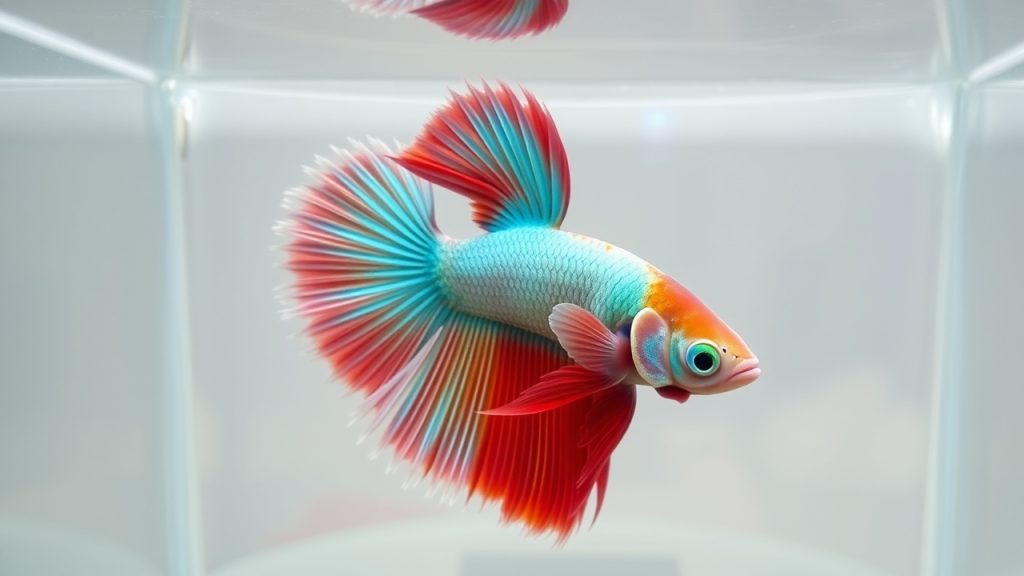
Betta fish, or Siamese fighting fish, are the most popular freshwater aquarium fish in the entire world. They are popular for their brilliant hues, flowing fins, and fascinating personalities. But some people don’t understand the care given to a Bet. The truth is, bettas require a comfortable environment, clean water, and balanced food to be healthy.
If you are hoping for your betta fish to live a long, happy, and active life, then it is vital that you first understand what they really need. Bettas, if taken care of properly, can live three to five years and even longer sometimes.
Understanding Betta Fish Behavior
Bettas, though not aggressively predatory enough to eat other fish, are territorial. Male bettas in particular do not get along with other male betta fish in the same tank. This is why they are frequently looked after singly. But they are intelligent, curious animals that know their environment and may even recognize their caregivers.
Bettas, because they have long fins, are relatively slow swimmers compared to other fish. That means that they like still water with soft filtering compared to fast currents.
Best Betta Fish Tank Size
This is why picking the best tank size for your betta is crucial. A lot of people think bettas can live in very tiny bowls (which they technically can), but it is not healthy for them. At least 5 gallons is suggested for a single betta fish.
A larger tank means better water stability and more room for your fish to swim, even while you control the temperature. Good water quality helps minimize stress and reduce the risk of disease.
Water Temperature and Quality
Betta Fish are tropical fish, and need warm water to thrive. The optimum water temperature is 24°C to 27°C; the use of a small fish tank heater would be beneficial in controlling the temperature for this species.
Clean water is also crucial. A mild filter purifies the water and removes debris to refresh your pet’s supply. Regular partial water changes (approximately once a week) should be performed to keep the water in good condition. Rapid fluctuations in temperature, or dirty water, can cause stress and make them sick, and live a shorter life.
Feeding Your Betta Fish Properly
Good betta fish care starts with what they are fed. As carnivores, bettas require a high-protein diet. You will want to use a high-quality betta pellet or flake designed specifically for bettas.
You can also give them the occasional treat of frozen or live foods like bloodworms or brine shrimp. Yet, overfeeding is a grave error. Bettas have tiny stomachs and only need to be fed small amounts once or twice per day. Do not feed the fish too much, and don’t keep uneaten food in the tank, to avoid water pollution.
Tank Setup and Decoration
Betta fish prefer tanks that offer hiding places as well as resting areas. Live or silk plants are best as they are soft and will not rip their delicate fins. Sharp decorations should be avoided.
The truth is, bettas like to hang near the water’s surface. They like resting on broad-leaf plants or betta hammocks. Invited lighting also helps to maintain a natural day and night.
Will Betta Fish Get Along With Other Fish?
Male bettas are aggressive with other male bettas, and occasionally toward fish that have long, flowing fins. Nonetheless, in more capacious tanks, they can cohabitate peacefully with some peaceful species.
If you intend on having a community tank, pick peaceful fish and those that are not rambunctious. Always monitor their behavior carefully. Some bettas do best living alone, and that is perfectly okay, too.
Common Health Problems in Bettas
Despite your best efforts, betta fish do sometimes get sick. Typical issues include fin rot, swim bladder disease, and fungal infections. The majority of these problems are due to either bad water quality or stress.
The tank should be kept clean, it should maintain the appropriate temperature, and it should be fed a balanced diet to reduce the chances of falling ill. If you watch your fish on a daily basis, you can detect early signs of problems.
How Long Do Betta Fish Live?
With good care, betta fish typically live three to five years. Certainly, some could live longer with top-shelf care and a stress-free tank. Proper nutrition, water, and a stress-free life are the main contributors to their living longer.
Conclusion
Betta fish are spectacular and intriguing pets, but they need the knowledge that it takes to care for them to thrive. For their health, they require a certain tank size and need you to provide them with warm and clean water, a balanced diet, safe decorations, etc.
You can keep a betta happy and healthy by knowing how to care for a betta fish and what not to do. With regular care, your betta can live a long, colorful, and active life.
FAQs
What is the minimum tank size for a betta fish?
Minimum 5 gallons should be given to have plenty of space and stable water parameters.
Do betta fish need a heater?
Yes, bettas are tropical fish and require to be – in warm water between 24°C and 27° gC A heater will keep the temperature stable.
How many times a day should you feed your betta fish?
You should feed small amounts once or twice a day. Don’t overfeed the hamster to avoid health issues.
Can two male bettas live together?
No, male bettas are too territorial to cohabitate in the same tank.
How often should I change the water in a betta tank?
Weekly partial water changes are necessary to ensure pristine water quality.