
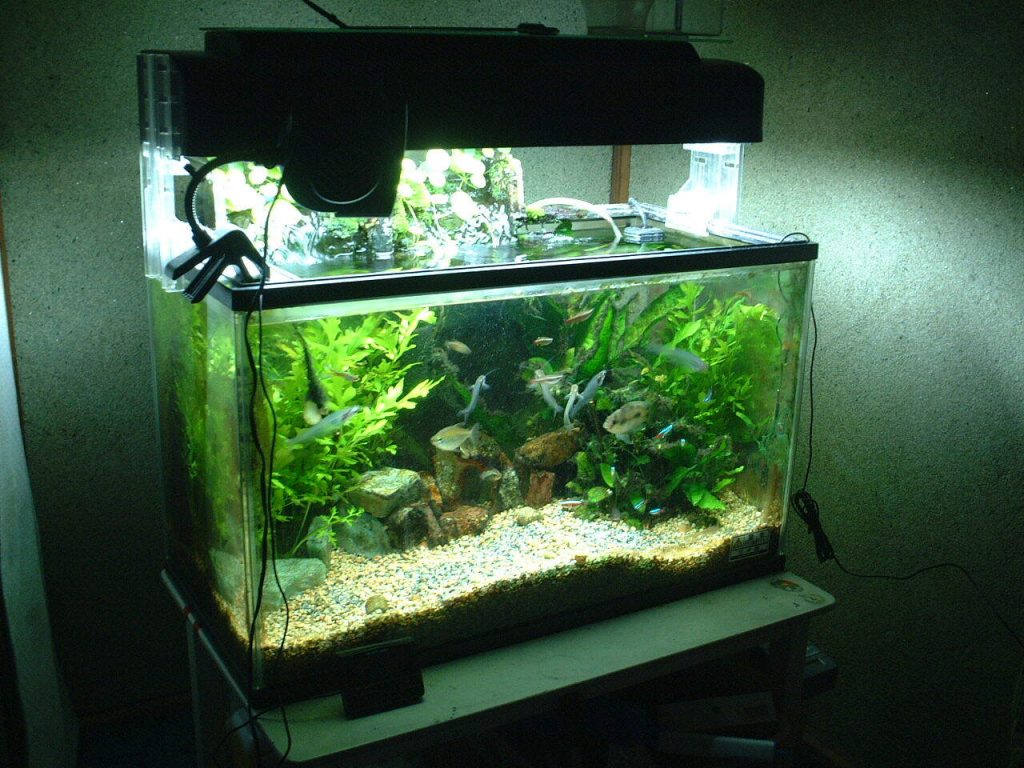
An Aquarium- Fish Tank Is More Than Just An Ornament For Your Home Or Office. It makes a tranquil atmosphere, and you can closely see your fish friends. It may at first appear complicated to start and maintain an aquarium for complete beginners, but once you get the hang of it, it’s good fun and very rewarding.
What Is an Aquarium Fish Tank
An aquarium is a clear container for fish and water in which they are kept. It’s a contained atmosphere with controlled water quality, temperature, and oxygen. Aquariums can be freshwater or saltwater, depending on the fish you want to keep. Selecting the proper tank is the first step to successful fishkeeping.
Choosing the Right Tank Size
Fish health plays a large role in tank size. Small tanks may seem convenient, but they are more difficult to maintain because water conditions tend to fluctuate rapidly. The larger the tank, the better stability it provides to fish with room to swim around. It is also recommended that beginners have a medium-sized tank to begin with, as observing the entire system feels much more manageable.
Types of Aquarium Fish Tanks
There are various fish tanks for aquariums. Beginners should choose freshwater tanks, which are the most common and easiest to look after. Saltwateraquariums are more complicated and require a higher level of maintenance. Planted tanks are all about live aquatic plants, and community tanks contain just about all kinds of peaceful fish. The best kind is contingent on experience level and interest.
Must Have Item’s For Your Fish Tank
There is some essential equipment that every aquarium must have to operate effectively. A filter is needed to keep water clean by taking out waste and toxins. A heater keeps a consistent temperature, particularly with tropical fish. Lighst support fish activity and vegetation growth. A thermometer allows you to track any temperature fluctuations and keep your fish comfortable.
Ready the Aquarium Fish Tank
Fish tank should be an easy task. First, wash out the tank with plain water and no soap or chemicals. Add your gravel or substrate, then hook up the filter and heater. Fill the tank with conditioned water fuel and run for a minimum of 24 hours. This cycle is beneficial for establishing the aquarium before adding fish.
Understanding the Nitrogen Cycle
The nitrogen cycle is a vital process for maintaining your fish tank. Fish waste generates ammonia, which is poisonous. Good bacteria change ammonia into nitrite and then into less harmful nitrate. This process is time-consuming and is known as cycling the tank. If you add fish before this process is completed, your new pet may experience health issues or even die.
Choosing the Right Fish
Picking the correct fish is very important for a healthy tank. For your first fish, go with hardy and peaceful ones that are easy to adapt to aquarium conditions. Fish compatibility is crucial because some can be aggressive to others. Researching how they are, what size they grow, and their care needs ahead of time is a great way to avoid any issues in the tank.
Feeding Aquarium Fish Correctly
Good feeding habits will maintain yourfish in good health and active condition. Overfeeding is a common error that can impact water quality rapidly. Feed fish small amounts, 1-2 times per day. Leftover food should be removed to help keep the water clear. Every species of fish has individualized nutritional requirements that must be fulfilled.
Cleaning and Caring for the Fish Tank
Routine maintenance ensures the aquarium is clean and safe. Toxins can be eliminated with partial weekly water changes. I understand filters need to be cleaned, but I would hate to kill all good bacteria. What could cause Algae? The best type of lighting is also advised. 2. Regular attention equals the health of fish and a healthy aquarium.
Common Aquarium Fish Tank Problems
Cloudiness, Algae in the water, and sick fish are common problems. These types of trouble frequently stem from a lack of maintenance or a water imbalance. Regular testing of the water parameters can help catch issues as they occur. Prompt attention keeps minor issues from getting major.
Pros of Owning an Aquarium Fish Tank
An aquarium fish tank will not only make your house beautiful and attractive, but it also brings you relaxation and reduces stress. Looking at swimming fish is relaxing and lightens up your mood. Aquariums are also bonuses to home or office decor and have a wonderful, calming effect. They can be educational for younger children, teaching responsibility and patience.
Tips for Beginners
It is also true that novices should keep it simple and not worry about overcrowding the tank. Patience is necessary, as it’s going to take a while before your fish tank environment stabilizes. Getting educated on the care of fish and water chemistry will prevent mistakes. Experienced fish keepers can also be a good source of information.
Conclusion
An aquarium fish tank is an attractive addition to any room when properly prepared and maintained. You will need to know about tank size, equipment, water type, and quality,y and how to care for the fish. If one is patient and consistent and has a little knowledge on one’s side, anyone can have a beautiful aquarium. Fishkeeping is a great hobby, but why not be able to enjoy every iota of it even more?
FAQs
How often do I need to clean my fish tank?
Perform partial water changes once a week to keep the quality of the water high and ensure healthy fish.
Can beginners use a small fish tank?.
The smaller the tank, the more difficult to maintain, so it’s recommended for beginners to start with a medium-sized tank.
How many fish can be kept in a tank
The amount of fish will vary by tank size, type of fish, and filtration.
Do aquarium fish need light 24/7?
Fish require a steady schedule for the light cycle, but should have lights off at night to prevent stress.
How long does it take a fish tank to cycle?
A new fish tank generally takes between 2 and 4 weeks for the nitrogen cycle to finish.